Recognizing Livestock Threat Protection (LRP) Insurance Coverage: A Comprehensive Guide
Navigating the world of livestock risk defense (LRP) insurance can be a complex venture for numerous in the agricultural industry. From exactly how LRP insurance coverage works to the numerous coverage choices readily available, there is much to reveal in this extensive overview that might potentially shape the way animals producers approach danger administration in their organizations.
How LRP Insurance Coverage Works
Occasionally, comprehending the auto mechanics of Animals Danger Security (LRP) insurance coverage can be complicated, however damaging down how it works can provide clearness for farmers and breeders. LRP insurance policy is a risk administration tool designed to shield animals manufacturers versus unanticipated rate decreases. The plan enables producers to establish a protection degree based upon their certain demands, choosing the number of head, weight array, and coverage cost. When the policy remains in place, if market value drop below the coverage cost, manufacturers can file an insurance claim for the difference. It is essential to keep in mind that LRP insurance coverage is not an income assurance; rather, it focuses solely on cost danger security. The insurance coverage period commonly varies from 13 to 52 weeks, providing flexibility for manufacturers to pick a duration that aligns with their production cycle. By utilizing LRP insurance coverage, farmers and herdsmans can reduce the financial dangers associated with rising and fall market prices, making sure better stability in their procedures.
Qualification and Protection Options

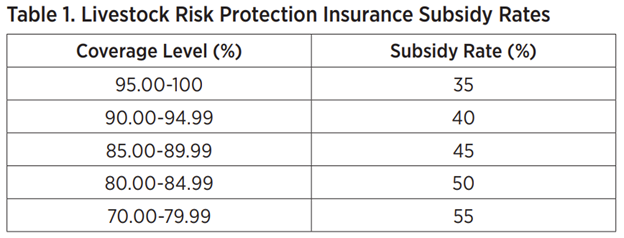
When it comes to coverage alternatives, LRP insurance supplies producers the versatility to choose the insurance coverage degree, coverage duration, and endorsements that ideal match their threat monitoring requirements. By recognizing the eligibility criteria and insurance coverage alternatives available, animals manufacturers can make enlightened choices to take care of danger effectively.
Pros and Cons of LRP Insurance Policy
When assessing Animals Risk Security (LRP) insurance, it is important for livestock manufacturers to evaluate the benefits and negative aspects integral in this danger management device.

One of the main benefits of LRP insurance policy is its capability to give security versus a decline in livestock prices. In addition, LRP insurance coverage supplies a level of adaptability, permitting manufacturers to customize insurance coverage levels and plan periods to match their certain needs.
One constraint of LRP insurance policy is that it does not shield against all kinds of dangers, such as illness break outs or natural disasters. It is essential for producers to carefully examine their private threat exposure and financial scenario to establish if LRP insurance is the ideal threat management tool for their operation.
Comprehending LRP Insurance Policy Premiums

Tips for Making The Most Of LRP Advantages
Making the most of the advantages of Livestock Risk Security (LRP) insurance coverage calls for tactical planning and aggressive threat administration - Bagley Risk Management. To maximize your LRP coverage, think about the adhering to pointers:
Consistently Analyze Market Conditions: Remain notified concerning market fads and cost variations in the animals industry. By keeping an eye on these aspects, you can make enlightened decisions regarding when to acquire LRP insurance coverage to safeguard versus possible losses.
Establish Realistic Insurance Coverage Levels: When selecting coverage degrees, consider your production prices, market price of livestock, and potential risks - Bagley Risk Management. Setting reasonable coverage levels makes sure that you are appropriately secured without paying too much for unneeded insurance policy
Expand Your Insurance Coverage: As opposed to counting solely on LRP insurance coverage, take into consideration expanding your danger monitoring strategies. Incorporating LRP with various other threat monitoring devices such as futures agreements or choices can offer detailed protection versus market uncertainties.
Testimonial and Adjust Protection Frequently: As market conditions transform, periodically evaluate your LRP insurance coverage to ensure it straightens with your current risk exposure. Readjusting insurance look at more info coverage degrees and visit site timing of purchases can assist optimize your risk defense approach. By adhering to these tips, you can maximize the advantages of LRP insurance policy and protect your livestock operation versus unpredicted dangers.
Verdict
In verdict, livestock danger security (LRP) insurance is a useful tool for farmers to handle the monetary risks associated with their livestock operations. By understanding how LRP functions, eligibility and insurance coverage choices, as well as the benefits and drawbacks of this insurance policy, farmers can make informed choices to safeguard their livelihoods. By meticulously thinking about LRP premiums and executing techniques to make best use of benefits, farmers can alleviate potential losses and make certain the sustainability of their operations.
Animals manufacturers interested in acquiring Livestock Threat Security (LRP) insurance policy can check out a variety of eligibility criteria and insurance coverage alternatives customized to their particular animals operations.When it comes to insurance coverage alternatives, LRP insurance supplies manufacturers the versatility to select the protection level, protection duration, and endorsements that best suit their risk management demands.To understand the complexities of Livestock Threat Defense (LRP) insurance completely, comprehending the factors affecting LRP insurance coverage premiums is essential. LRP insurance costs are identified by numerous elements, including the coverage degree selected, the anticipated cost of livestock at the end of the insurance coverage period, the type of livestock being guaranteed, and the length of the protection duration.Testimonial and Change Insurance Coverage Consistently: As market problems alter, regularly review your LRP protection to ensure it aligns with your current risk direct exposure.